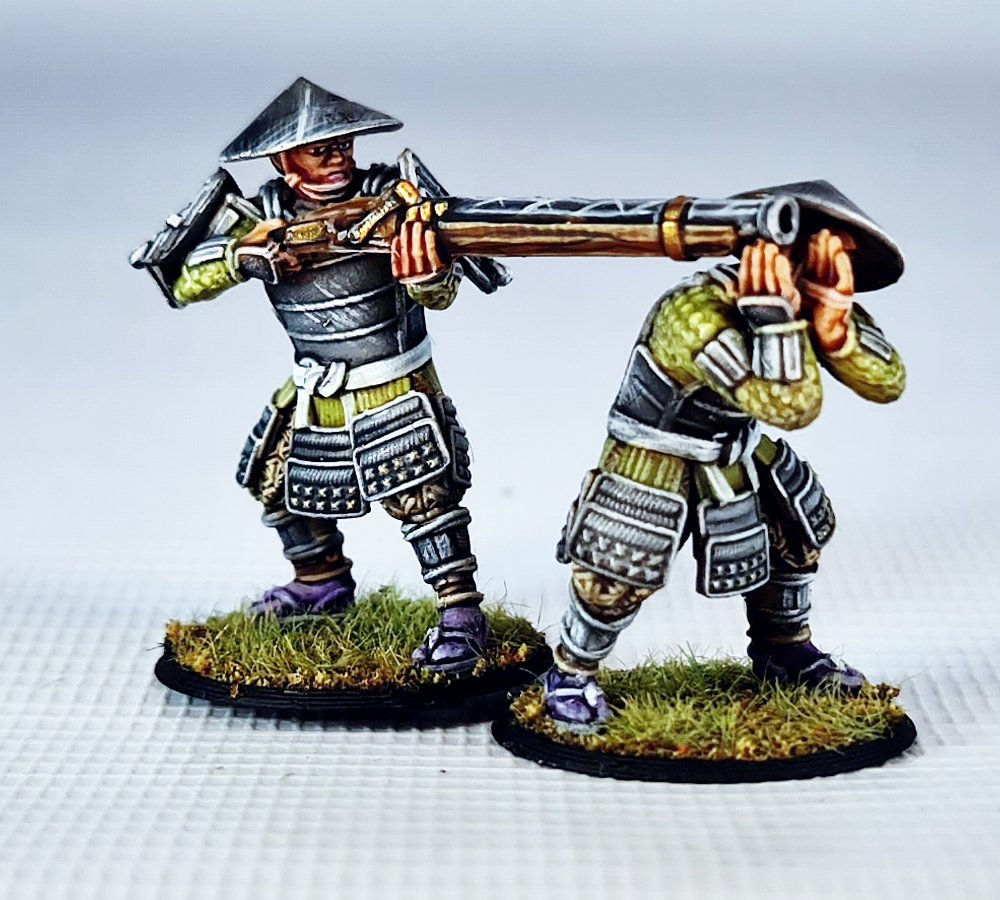
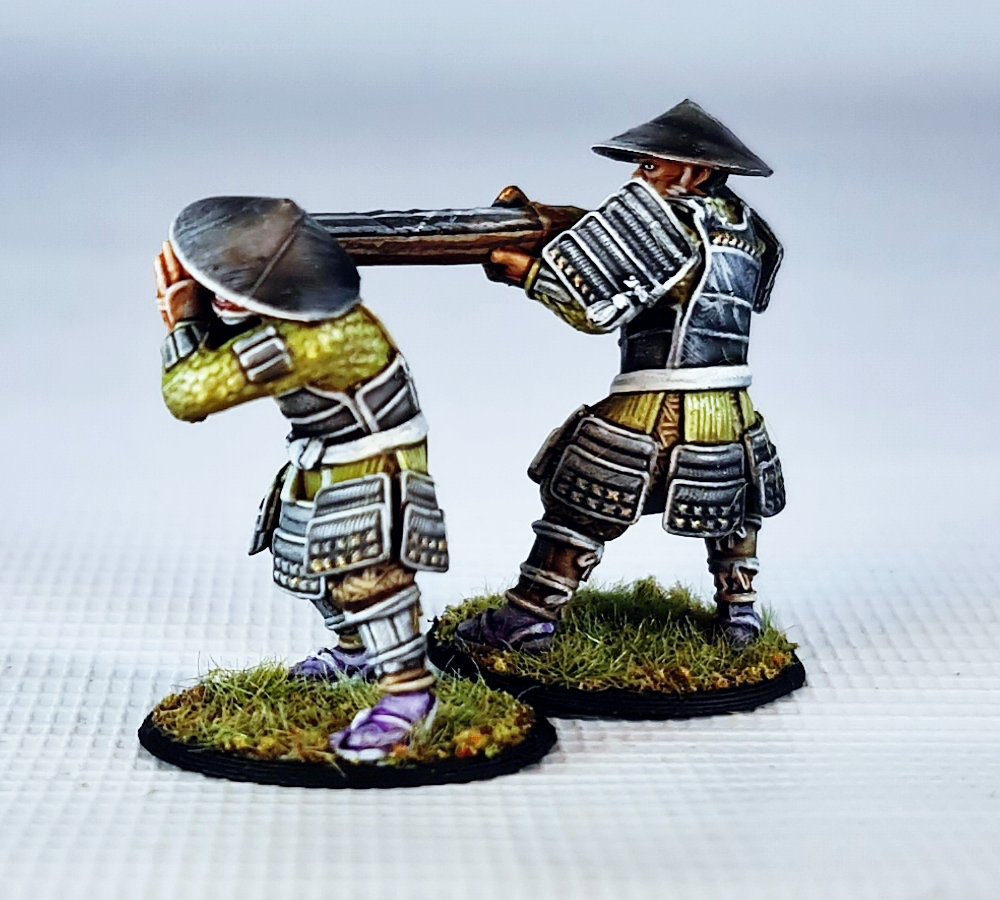

Ozutsu Team x 2 Minis – Samurai Hand Cannon Crew – Edo Period Japan STL Miniatures
$5.00
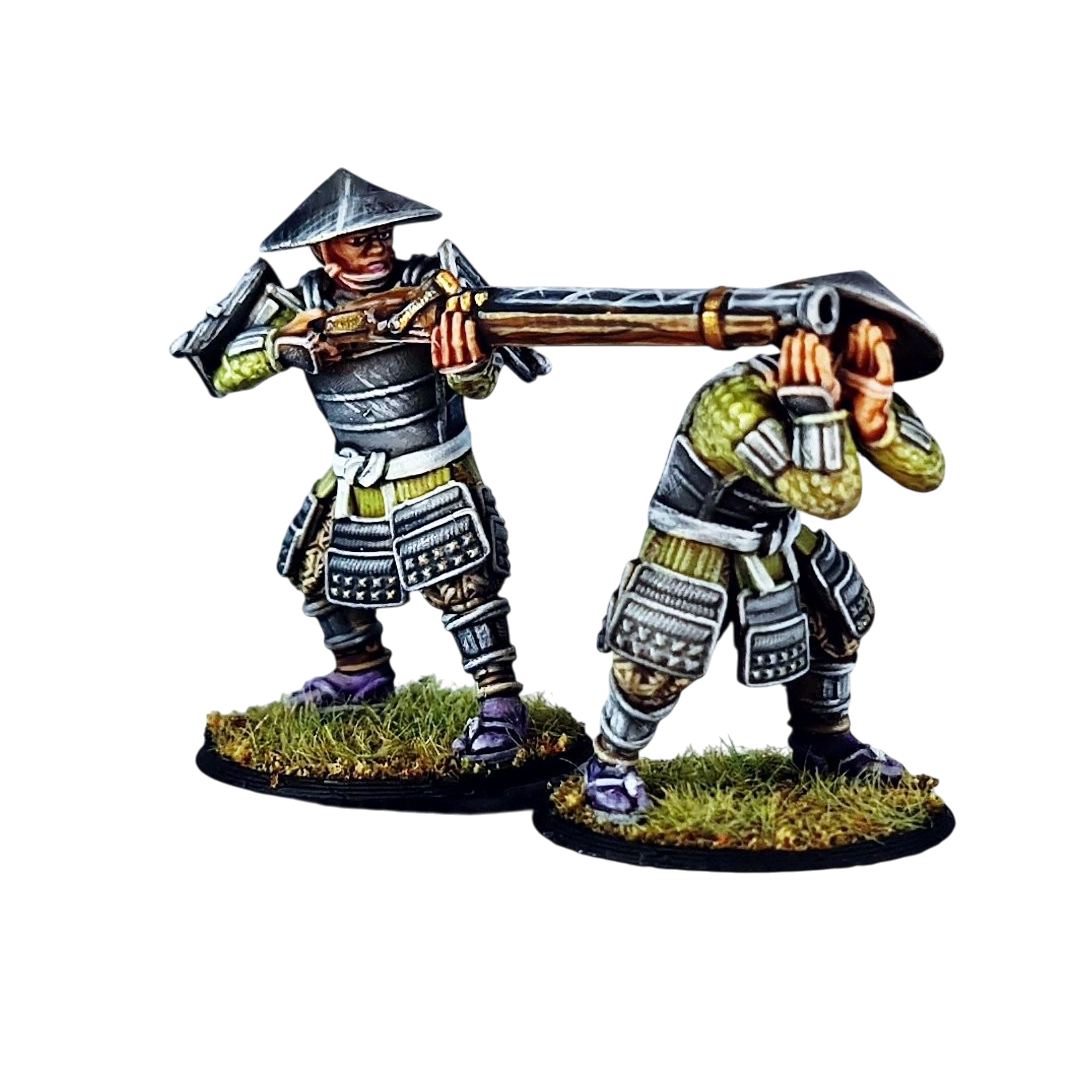
Unleash the thunder of feudal Japan upon your tabletop with the Ozutsu Hand Cannon Team. These miniatures capture the raw power of the Sengoku period’s most devastating infantry weapon, featuring two warriors bracing against the immense recoil of their formidable cannons. Every detail, from the layered lamellar armor to the determined expressions beneath their jingasa hats, is sculpted to convey strength and discipline.
Elevate your samurai army from a line of steel to a force of nature. The dynamic poses of the Ozutsu team make them a stunning centerpiece, perfect for representing an elite, high-impact unit in your wargames. Whether breaking a cavalry charge or blasting through castle gates, these figures bring a unique and explosive element to any historical or fantasy Japanese-themed collection.
This digital STL file package contains a two-man Ozutsu Team, masterfully sculpted for 28mm and 32mm scale tabletop games. The miniatures are rich with authentic detail, showcasing intricate textures on their armor plating, clothing fabric, and the heavy wood-and-iron construction of the Ozutsu hand cannons. These models are optimized for 3D printing and are suitable for both high-detail Resin printers and well-calibrated FDM printers.
On the battlefield, the Ozutsu team serves as a specialized heavy weapons unit. In wargames, they can represent elite troops capable of delivering a single, devastating shot that can shatter enemy formations, destroy war machines, or breach fortifications. Their presence forces your opponent to reconsider traditional tactics, making them a powerful strategic asset for commanders aiming to control the flow of battle with overwhelming firepower.
The History of the Ozutsu
The Ozutsu (大筒), literally ‘large tube’ or ‘big gun’, represents a pivotal advancement in Japanese military technology during the tumultuous Sengoku Jidai (‘Warring States Period’) of the 16th century. While the more common tanegashima matchlock arquebus (teppo) revolutionized infantry tactics, the Ozutsu was its larger, more terrifying cousin—a hand cannon that bridged the gap between personal firearms and field artillery. These formidable weapons were essentially man-portable cannons, requiring immense strength and courage to wield effectively. Due to their significant weight and thunderous recoil, they were often operated by a two-man crew, with one samurai aiming and firing while the other helped support the barrel and prepare for the bone-jarring kickback.
The caliber of an Ozutsu was far greater than that of a standard arquebus, allowing it to fire a variety of projectiles. These ranged from massive lead balls capable of punching through thick wooden shields (tate) and even light fortifications, to clusters of smaller shot that acted like a giant shotgun, or incendiary rounds designed to set fire to enemy structures. Their primary role was in siege warfare, where they were used to blast away at castle gates, towers, and defensive positions. However, their psychological impact was just as potent as their physical destruction. The deafening roar of an Ozutsu volley was unlike anything heard on the battlefield before, capable of striking terror into enemy soldiers and breaking the morale of even the most disciplined samurai formations. Warlords like Oda Nobunaga and Tokugawa Ieyasu recognized their value, incorporating them into their armies as elite shock troops to gain a decisive advantage in key battles.
Related products